

Yinyleon’s cause of death has become a topic of interest online, with many people searching for answers about what happened. Rumors and unverified claims can spread quickly, making it important to separate facts from speculation.
In this guide, we look at the Yinyleon cause of death topic and the information available about the reports. We’ll explain what is known, address common rumors, and help readers understand the full story clearly.
Bio/Wiki
Here is what is publicly known about Yinyleon before getting into the rumor itself.
| Detail | Information |
| Name/Alias | Yinyleon |
| Profession | Social media influencer, content creator |
| Known For | Short-form videos and lifestyle content |
| Reported Birth Year | 1984 |
| Active Platforms | TikTok, Instagram, YouTube |
| Follower Count | Over 3 million combined |
| Current Status | Active, based on 2026 public activity |
| Cause of Death | Not applicable, no death confirmed |
This snapshot matters because it keeps the discussion grounded in what can actually be checked, rather than in whatever a viral caption claims.
Why People Search for Yinyleon Cause of Death
A few specific triggers pushed this phrase to the top of search bars and autocomplete suggestions.
- Emotional TikTok edits pairing old clips with somber music and captions implying a passing
- Headlines using words like shocking or revealed to drive clicks
- Autocomplete suggesting the phrase once enough people had typed it
- A short posting gap that fans misread as a warning sign
- Followers trying to confirm a tribute post before reposting it
None of these reasons confirm anything happened. They explain the curiosity behind the search volume, not the facts. Yinyleon also fits the profile of a creator with a large following but no press office, so any quiet stretch online tends to get filled with worst-case guesses instead of patience.
Is Yinyleon Dead?
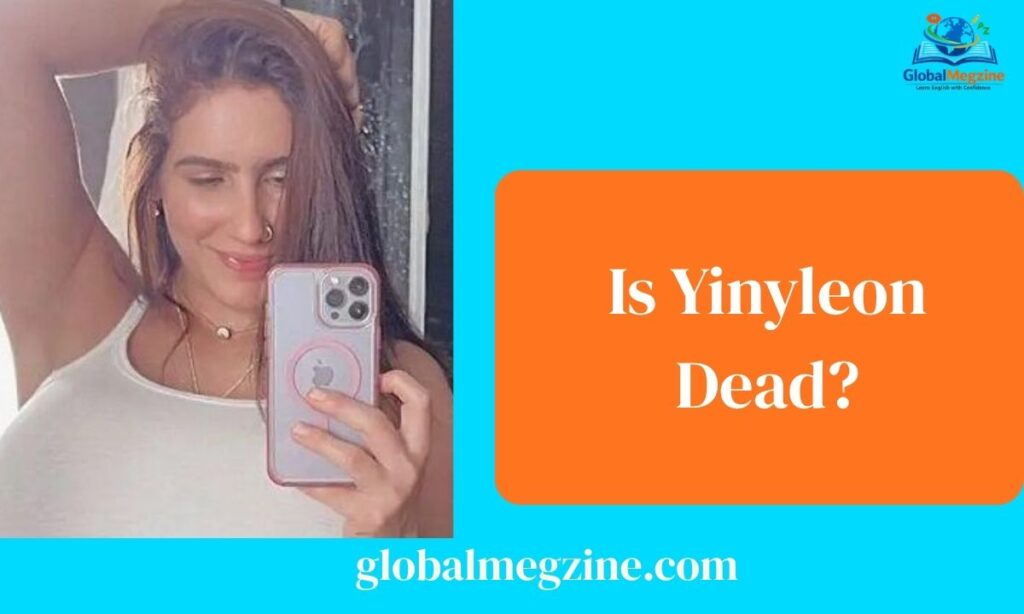
No. There is no official confirmation tied to her name anywhere online. A genuine death announcement almost always includes a recognizable pattern of evidence.
- A statement from a verified account belonging to her, her family, or management
- Coverage from an established, credible news outlet
- A public record, obituary, or legal filing
- Confirmation from people close to her rather than anonymous posts
None of these exist here. What does exist is a stack of viral videos and copycat blog posts repeating the same unverified claim. Recent posting activity tied to her accounts contradicts the idea that she has died.
The Truth About the Cancer Rumor
The cancer version of this story is the most persistent, and also the weakest once you look for actual proof.
Where the Cancer Claim Started
The claim traces back to anonymous social posts and low-quality blogs, not a hospital, doctor, or family member. Some accounts added invented specifics, like a treatment timeline or a named cancer type, to make the story feel more believable. That tactic shows up constantly in fabricated health rumors.
Why the Claim Does Not Hold Up
A real cancer diagnosis or death usually produces several signs at once, and none of them are present here.
- A public statement from family members or representatives
- A hospital or medical record cited by a credible reporter
- A visible shift in posting habits consistent with serious illness
- Coverage from at least one established news outlet
Since none of these markers exist, the cancer story belongs in the speculation category, not the fact category. Responsible reporting does not attach a specific illness to someone’s name without solid proof behind it.
The TikTok Death Hoax Problem
TikTok is the main engine behind this particular rumor, and understanding the platform’s habits explains a lot about celebrity death hoax culture in general.
How These Hoax Videos Are Usually Made
Creators chasing views tend to follow the same formula.
- Reusing old footage or photos out of their original context
- Layering in slow, emotional background music
- Writing a vague caption implying insider knowledge, such as rest in peace
- Skipping any actual source or citation
- Letting the comment section fill with grief before anyone asks for proof
Why These Videos Spread So Fast
TikTok’s algorithm rewards watch time and emotional reactions, and sad content tends to outperform calm, factual posts. Viewers often hit share before checking whether a clip has any real confirmation. By the time a fact check surfaces, the hoax has usually reached far more people than the correction ever will.
What About the Autopsy Claim?
Some versions of the rumor go a step further and claim an autopsy confirmed her death. This detail deserves its own breakdown because it is one of the more deceptive layers of the whole story.
An autopsy is a legal and medical procedure that only happens after a death has already been officially recorded. There is no public filing, medical record, or credible report describing an autopsy connected to Yinyleon. Using the word autopsy in a caption makes a claim sound official, but it does not create actual evidence. Any autopsy claim without a linked legal or medical source should be treated as fabricated.
Why Death Hoaxes Keep Happening
Yinyleon is not the first online personality to face a fake death rumor, and she will not be the last. A handful of forces make this kind of misinformation almost inevitable.
- Financial incentive, since shocking headlines drive clicks and ad revenue for low-quality sites
- Algorithm design that tends to boost emotional content over calm, accurate reporting
- Emotional sharing behavior, where people share sad news before verifying it
- Information vacuums, where a quiet posting stretch with no statement lets speculation rush in
- Copycat content, where one unverified post gets repeated across pages without added verification
This Pattern Has Happened Before
Fake death rumors have circulated for years about musicians, actors, and online personalities, usually built from recycled footage, a dramatic caption, and an emotional soundtrack. Many earlier hoaxes trace back to a single unverified post copied across pages until it resembled real news. Recognizing that pattern makes it easier to stay skeptical next time.
How to Check If a Death Report Is Real
Before sharing any death rumor about a public figure, run it through this quick checklist first.
- Look for a statement from a verified family member, representative, or management account
- Check whether an established, well-known outlet has actually reported it
- Be cautious of vague phrases like reportedly or sources say
- Visit the person’s own official accounts for recent activity
- Remember that autocomplete reflects curiosity, not confirmed news
- Treat dramatic captions or sad music as a warning sign, not proof
If a claim fails most of these checks, wait for verified sources before spreading it further.
The Real Harm of False Death Reports
It is tempting to treat a death hoax as harmless, but the fallout reaches further than a single viral clip.
- Fans experience real grief and anxiety over something that never happened
- Reputation and brand partnerships can suffer from repeated false headlines
- Search engines and AI summaries can end up repeating unverified claims once enough pages publish them
- Constant hoaxes make people more skeptical of genuine emergencies involving other public figures
- People facing real illness get taken less seriously because of the cry-wolf effect from fake health rumors
Why This Topic Still Trends in 2026
Death hoaxes rarely disappear once they start, and this one shows why. Search autocomplete keeps suggesting the term to new users who never saw the original rumor. Content sites keep republishing similar articles because the keyword still pulls traffic, and old TikTok clips resurface through recommendation algorithms long after their first upload. New readers stumbling onto the phrase assume it is recent, which restarts the cycle. This topic keeps trending because of search behavior and recycled content, not any new confirmed development.
What Is Actually Confirmed?
Here is a clean breakdown separating fact from speculation.
| Confirmed | Not Confirmed |
| Active online presence as of 2026 | Any cause of death |
| No official death announcement from credible sources | A cancer diagnosis or related death |
| No verified cancer diagnosis | An accident or sudden incident |
| No legal or medical autopsy record | An autopsy or medical finding |
| Rumor traced back to social posts, not official sources | Any family or representative statement |
Frequently Asked Questions
Is Yinyleon dead?
No. There is no verified announcement, obituary, or credible news report confirming her death.
What is Yinyleon’s cause of death?
There is no cause of death to report because no death has been confirmed by any reliable source.
Did Yinyleon die of cancer?
No. The cancer claim traces back to anonymous posts, not a hospital, family statement, or news outlet.
Was there an autopsy done on Yinyleon?
No. An autopsy requires an officially recorded death first, and no such record or filing exists.
Why does this rumor keep trending?
Search autocomplete and recycled TikTok clips keep surfacing the phrase to new users, restarting the cycle each time.
Conclusion
The honest answer to Yinyleon cause of death searches is simple: there is no cause of death to report, because there is no confirmed death. This rumor spread the way most viral hoaxes do, through emotional TikTok content, vague headlines, and sharing without verification.
The cancer rumor and the autopsy claim both collapse under basic fact-checking, while her public activity points toward someone alive and active. Before sharing any death-related claim about a public figure, pause and check for verified news sources first. That habit protects both the person being discussed and the people who genuinely care about them.

James Anderson is a passionate English grammar writer at GlobalMegzine, sharing simple language tips, word meanings, slang guides, and easy grammar knowledge for everyday readers.